

Vision problems – why do we have more and more of them?
As we surf the Internet, time and again we come across information that Poles are experiencing more and more problems with their eyesight. The numbers work most on the imagination.


As we surf the Internet, time and again we come across information that Poles are experiencing more and more problems with their eyesight. The numbers work most on the imagination.

The terms nearsightedness and farsightedness evoke apt associations in most patients and do not cause concern for their health. But when the name astigmatism is uttered, patients are sometimes bewildered – is it some kind of eye disease? Something serious? A cause for concern?

A study conducted in early 2020, showed that as many as 90% of Poles aged 18-65 have various eye and vision problems, and more than 60% have a diagnosed visual impairment. 69% of compatriots admit that the increased number of hours spent in front of screens (working and studying remotely!) has worsened the quality of their vision.
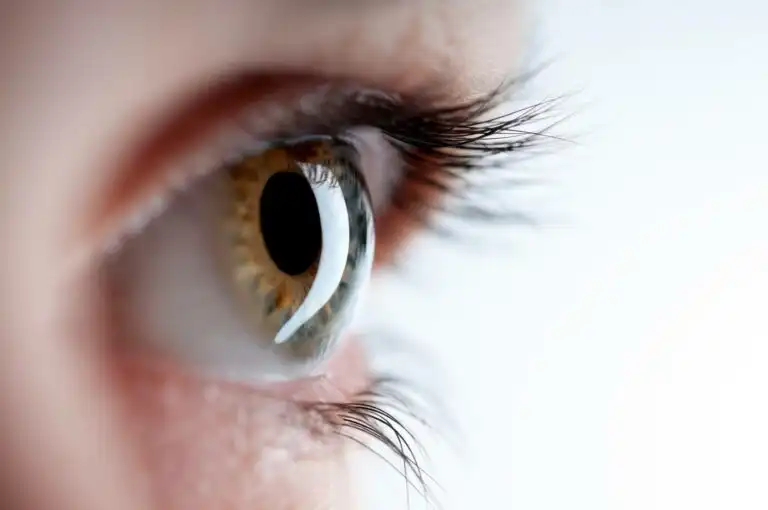
The retina is the innermost layer (also called the neural or sensory layer) of the eyeball wall.

As many as 90% of Poles aged 18–65 have various vision and eye problems, and over 60% have a diagnosed refractive error. Ophthalmologists say we are currently facing a true…
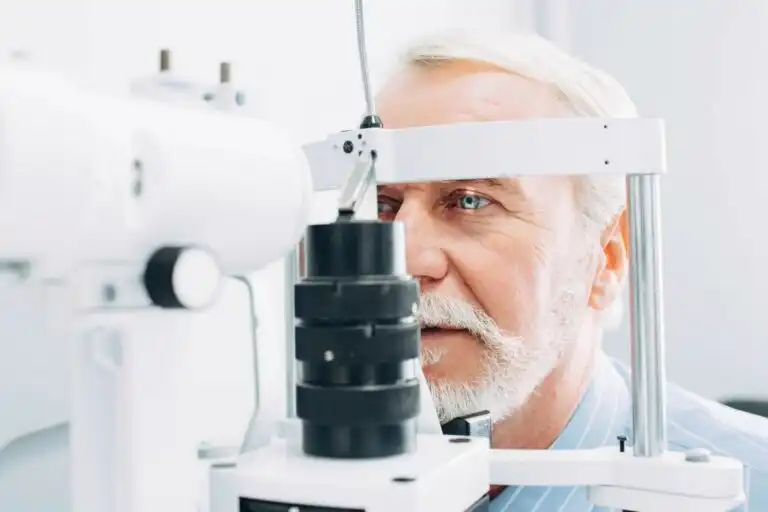
Type 1 diabetes mellitus (a chronic disease in which cells of the immune system attack cells of the pancreas) is classified as an autoimmune disease, and is therefore among the relative contraindications when considering the possibility of undergoing laser vision correction.
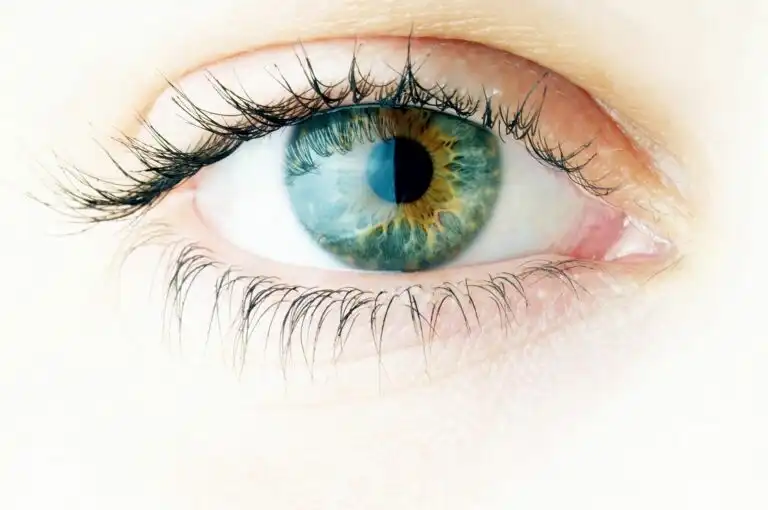
The halo effect is an aberration that involves seeing luminous halos around light sources.
Amblyopia is a decrease in visual acuity in one eye – less often in both eyes – despite the absence of pathological changes in the eyeball and visual pathway and…
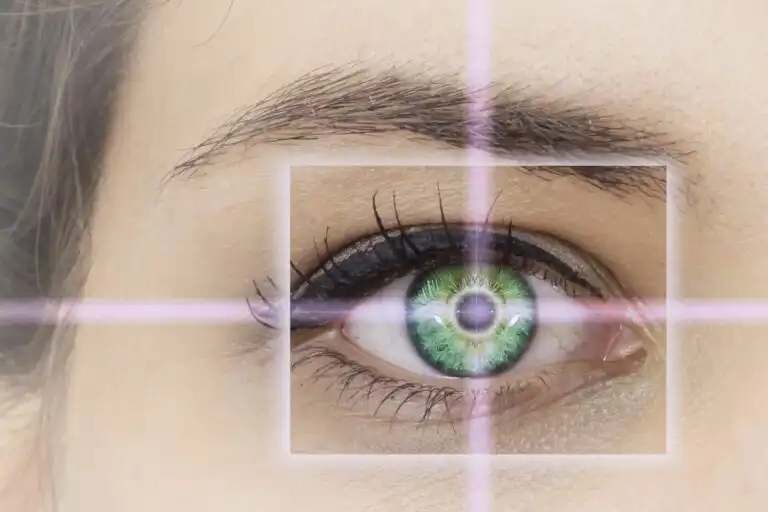
Astigmatism (non-compliance) is an extremely troublesome visual defect, manifested not only by a lack of visual acuity both near and far, but also by crooked and wavy images and poor…
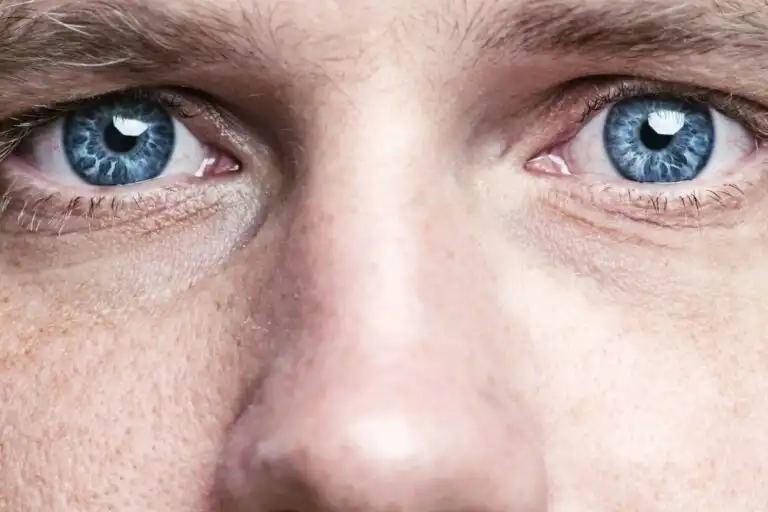
Customers of private eye clinics have a choice of state-of-the-art implants. Premium lenses meet the needs of increasingly demanding patients, guaranteeing excellent quality of life and visual acuity after cataract…

While the name nearsightedness (myopia) is appropriate for the symptoms of this common visual defect (its essence is to see clearly only over short distances – the higher the defect,…
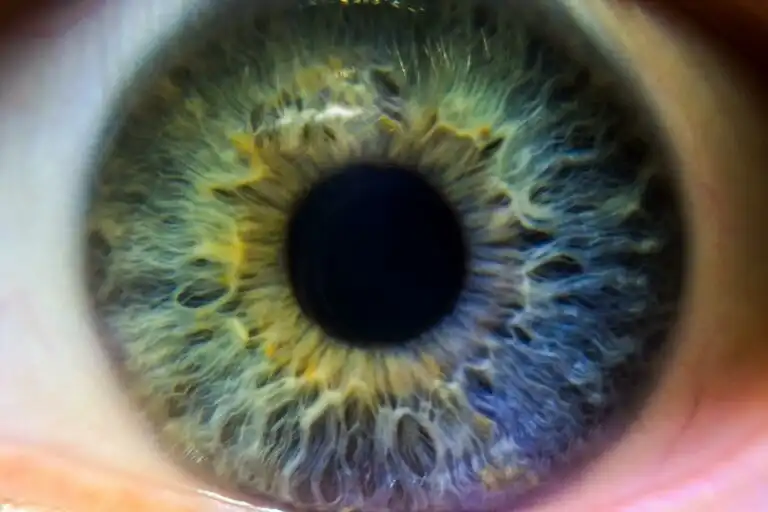
SmartSight is a state-of-the-art treatment with the SCHWIND ATOS® femtosecond laser, belonging to the so-called. free(without flap) methods. They rely on the fact that inside the intact cornea is created a so-called “corneal”. lenticula (a thin section of the lens in the cornea). A minimally invasive incision is then made for the approach. The intraocular lens can then be removed through this small opening. It is also possible to use the so-called. Static cyclorotation compensation.

Do you have questions, want to consult with our experts or schedule a treatment directly?
ul. Kolejowa 1, 01-217 Warszawa
Monday – Friday: 8:00 – 18:00
ul. Kluczborska 15/U3, 31-271 Kraków
Monday – Friday: 8:00 – 18:00