Symptoms of Conjunctivitis – In Brief
- Common symptoms: redness, burning, itching, tearing, gritty sensation under the eyelid, eyelids stuck together in the morning.
- You’ll know the cause by the discharge: purulent and yellow – bacteria; watery, often initially in one eye and after a cold – viruses; bilateral itching with a runny nose – allergy.
- Duration: viral 1–2 weeks, bacterial 5–7 days (shorter with antibiotics), allergic as long as contact with the allergen persists.
- See an ophthalmologist urgently if pain, photophobia, worsening vision, or no improvement after a week occurs – a slit lamp examination will determine the cause.
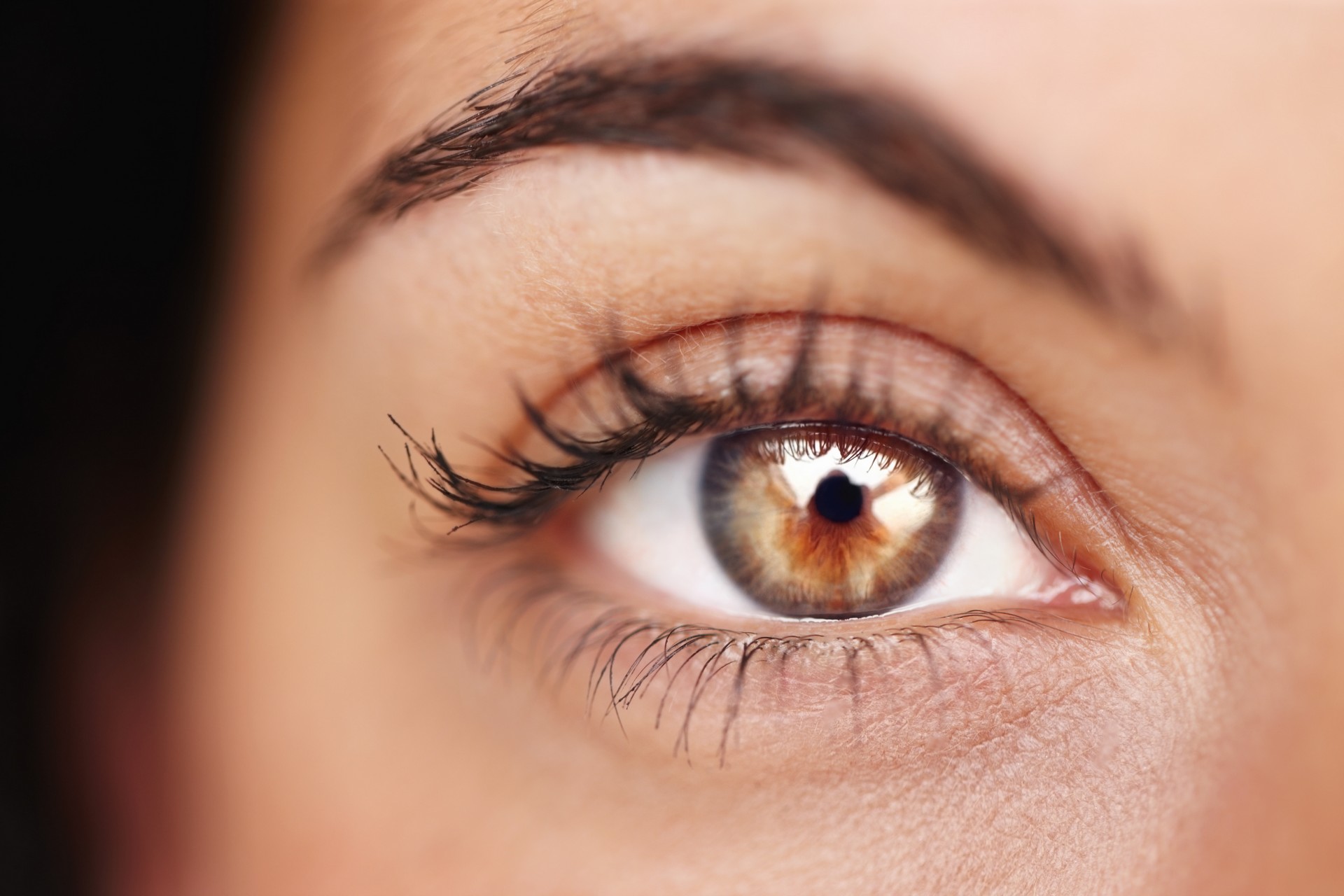
Red, burning eyes and that unbearable feeling that something is constantly scratching under your eyelid… Sound familiar? Conjunctivitis can ruin even the best day, usually appearing when you least need it – in the middle of work, on a much-anticipated vacation, or before an important outing. Although all cases may look similar at first glance in the mirror, their cause is often a completely different story. Sometimes a virus from a cold will be to blame, other times bacteria from dirty hands, and in spring – ubiquitous pollen. At our Swisslaser clinics in Warsaw and Krakow, we know one thing: the sooner we understand what is irritating your eyes, the sooner you will return to normal life.
What will you learn from the text below?
- What most often causes conjunctivitis?This problem is caused by viruses, bacteria, or allergens, but irritating chemicals can also be to blame.
- How to distinguish between a viral and bacterial infection?With viruses, the eye mainly tears and is watery, while bacteria give us thick, yellowish pus.
- Why do allergy sufferers suffer most in spring and summer?This is when plants pollinate most intensely, which means persistent itching and burning for sensitive eyes.
- What are the biggest risks for contact lens wearers?If you don’t maintain contact lens hygiene, you risk adenovirus infection, which causes severe swelling and photophobia.
- How to most effectively treat inflammation?Everything depends on the diagnosis – sometimes antihistamine drops will help, and other times antibiotics will be necessary.
Conjunctivitis – why are your eyes red and burning?
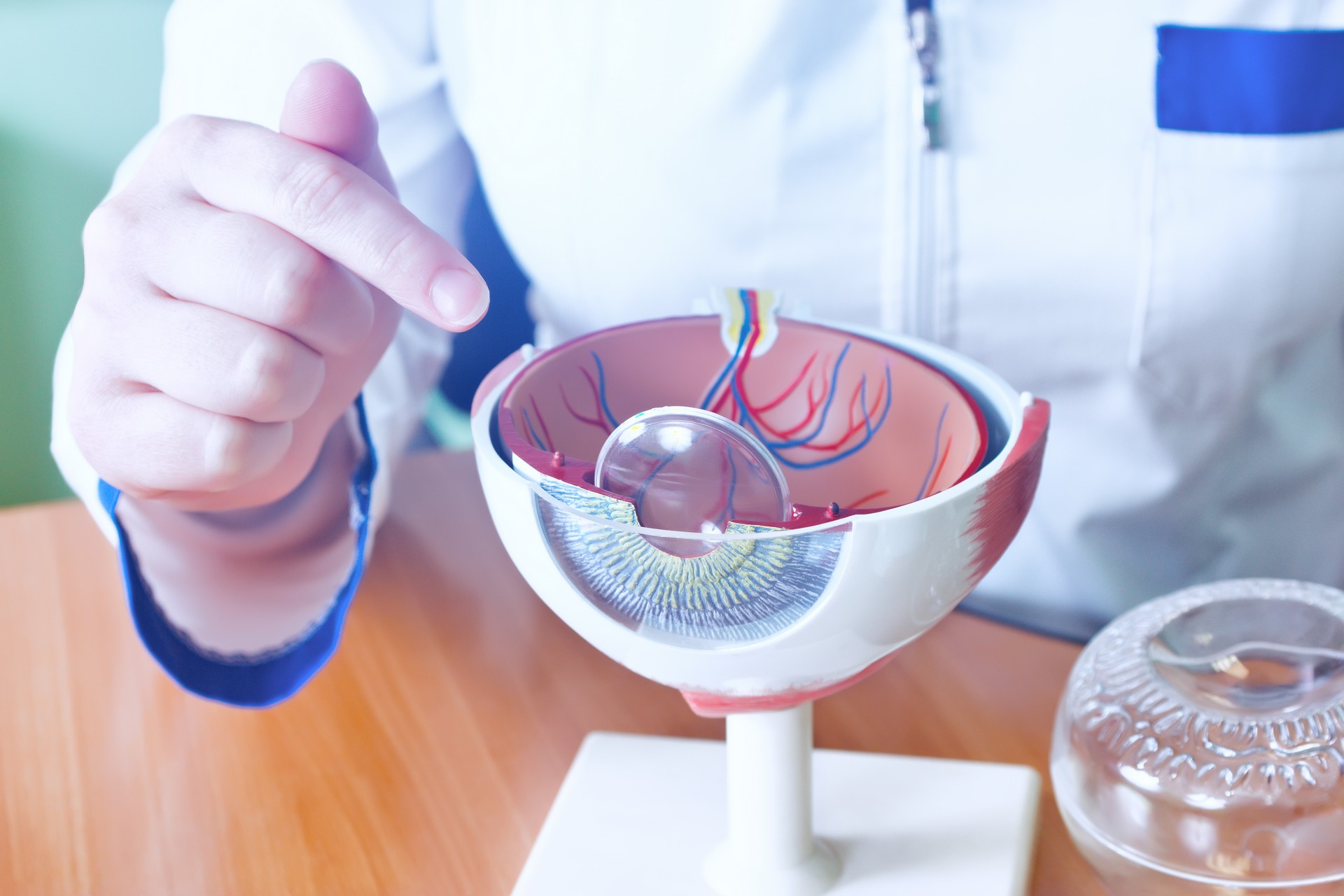
Imagine your conjunctiva as a super-thin, transparent ‘blanket’ that lines your eyelids and protects the whites of your eyes. When something goes wrong there, the blood vessels rapidly dilate. That’s why your eye suddenly takes on that characteristic, bloodshot color. Have you ever wondered why it reacts so violently?
The most common culprits: Viruses, bacteria, and bothersome allergens
What we commonly call ‘red eye’ usually has three sources. Viruses attack us most often, usually during the flu. Bacteria, on the other hand, are masters of opportunity – all it takes is rubbing your eye with unwashed hands. Allergens, in turn, are the bane of people sensitive to dust, pet dander, or grass pollen. Each of these intruders requires a different combat strategy.
Irritants: How smoke and chemicals affect your conjunctiva
Sometimes, no infection is to blame, but simply the environment. Your eyes may loudly protest against cigarette smoke, chlorine in the pool, or strong fumes from household detergents. This is so-called simple conjunctivitis – seemingly nothing serious, yet it burns just as intensely as any other infection.
Viral Conjunctivitis: When Infection Attacks the Eyes
This form is the most common in our offices, especially when it gets gray and cold outside.
Is it just a cold? The link between conjunctivitis and the flu
Viral inflammation often comes ‘packaged’ with the flu or a severe cold. If you feel an infection coming on and your eyes suddenly turn red, it’s most likely the same virus that has attacked your conjunctiva. Relief usually comes on its own once you recover from the cold.
Adenoviruses and hygiene: Risks for contact lens wearers and pool visitors
Adenoviruses, however, are a real challenge. Infection is very easy if you forget about a clean contact lens case or spend time at a public swimming pool. Remember that adenoviruses are incredibly contagious – during this time, it’s best not to share towels and keep your hands away from your face.
How to recognize a virus? Watery discharge and photophobia
How do you know it’s a virus? Your eye looks like it’s constantly crying. The discharge is clear and watery, not thick. In addition, there is often eyelid swelling and such severe photophobia that you would prefer to spend the whole day in a dark room wearing sunglasses.
Bacterial Conjunctivitis: Beware of Dirty Hands!
Bacteria are a completely different adversary, and home remedies are usually not enough here.
Staphylococci and streptococci: How do bacteria get into your eye?
The shortest route for bacteria is your own hands. Did you touch a doorknob on the bus, a handrail in a store, and then instinctively rub your eye? Staphylococci and streptococci are just waiting for that. This is a classic ‘dirty hands’ disease.
Key symptom: Why is pus in the eye an alarm signal?
If you wake up in the morning and can’t open your eye because your eyelashes are stuck together with thick, yellowish discharge – it’s almost certainly bacteria. Pus is a clear sign that a serious battle is taking place in your eye and you need a doctor’s support, who will likely prescribe antibiotic drops.
Allergic Conjunctivitis: When Eyes React to Pollen and Animals
For allergy sufferers, spring is not only a time of joy but also a struggle for every day without burning.
Seasonal hay fever and chronic eye burning
Allergic inflammation rarely comes alone. It is usually accompanied by hay fever and a whole series of sneezes. If your eyes react to grass pollen, trees, or cat dander, the inflammation can drag on for weeks until you cut yourself off from the source of the allergy.
Persistent itching: Why do allergy sufferers have to give up contact lenses?
The main symptom of allergies? Itching that simply makes life unbearable. This is the worst time to wear contact lenses – allergens accumulate under them, which only adds fuel to the fire and worsens your suffering.
How to effectively treat and prevent eye infections?
Do not experiment with your eyes on your own – tea or chamomile can sometimes do more harm than good.
Visit to a specialist: The role of an ophthalmologist and allergist in the treatment process
Dr. Victor Derhartunian always tells our patients:
“Conjunctivitis may sound like a minor issue, but if left untreated, especially the viral type, it can lead to corneal complications. That’s why it’s so important for us to quickly determine: virus, bacteria, or allergy? Each requires a different approach.”
Antihistamine drops: Mechanism of histamine blockade and cetirizine
In the case of allergies, we give you drops that block histamine – it is responsible for that intense itching. Medications with cetirizine or loratadine work almost instantly, restoring your peace and the ability to see the world normally.
Safety rules: Why you should not share eye cosmetics?
Conjunctivitis is a disease that loves to ‘travel’. Never, ever borrow mascara or eyeliner from a friend. This is the easiest way to get an infection for free.
FAQ – Frequently Asked Questions
1. Can conjunctivitis be contagious?
Viruses and bacteria – absolutely! A shared towel or touching the same surface is enough. Fortunately, allergies do not spread from person to person.
2. Can I wear contact lenses during conjunctivitis?
Absolutely not. Contact lenses in such a state are a breeding ground for bacteria and an additional irritation. Put them aside until your eye fully recovers.
3. Do tea compresses really help?
They can provide temporary relief due to coolness, but they will not cure the cause. We even advise against chamomile – many patients are allergic to it, which only makes matters worse.
4. How long will I be treated?
Viruses usually need 7–14 days to subside. Bacteria, if given the right antibiotic, surrender after 2–3 days, but remember to take the medication until the end, as advised by your doctor!
At Swisslaser in Warsaw and Krakow, we treat your eyes with the utmost care. If you feel something is wrong – don’t wait for it to pass on its own. Visit us and give yourself a chance for a quick return to full comfort.
5. How many days does conjunctivitis last?
Viral usually 1–2 weeks and resolves on its own, bacterial 5–7 days, and shorter with antibiotics. Allergic lasts as long as contact with the allergen. If there is no improvement after a week, or if pain, photophobia, or worsening vision appear, a slit lamp examination is necessary.
6. How to cure conjunctivitis as quickly as possible?
It depends on the cause: bacterial – antibiotic drops after doctor’s assessment, allergic – antihistamine drops and avoiding the allergen, viral – cool compresses, artificial tears, and patience. Always: frequent hand washing, a separate towel, and a break from contact lenses and makeup.
7. What should you not do with conjunctivitis?
Do not rub your eyes, do not wear contact lenses, do not use ‘red eye’ drops that constrict blood vessels, do not use steroid drops without recommendation, and do not share towels or cosmetics. With a viral infection, it’s better to stay home for a few days – it’s very contagious.
8. How to distinguish conjunctivitis from dry eye?
Conjunctivitis causes distinct redness, discharge (purulent with bacteria, watery with viruses), and often starts in one eye. Dry eye bothers both eyes, worsens in the evening and with screen work, without purulent discharge. An ophthalmological examination is decisive.
When to see an ophthalmologist
Conjunctivitis usually clears up in a few days. Eye pain, photophobia, or worsening vision are signals for an urgent visit.
- Ophthalmologist in Krakow — ul. Kluczborska 15/U3, examination 400 PLN
- Ophthalmologist in Warsaw — ul. Kolejowa 1, near West Station
- Tests and diagnostics — what exactly we examine and why
- Dry eye syndrome – how to distinguish it from inflammation
- Swollen eyes – causes and home remedies