Swollen Eyes – At a Glance
- Most common causes: allergies, conjunctivitis or stye, salt and alcohol, insufficient sleep, crying, hormonal changes; less commonly kidney, thyroid, and heart diseases.
- Quick relief: cold compress for 10 minutes, elevated head during sleep, hydration, and less salt; for allergies – antihistamine.
- Warning signs: swelling of one eye with pain, redness, fever, or worsening vision requires an urgent visit – it could be orbital cellulitis.
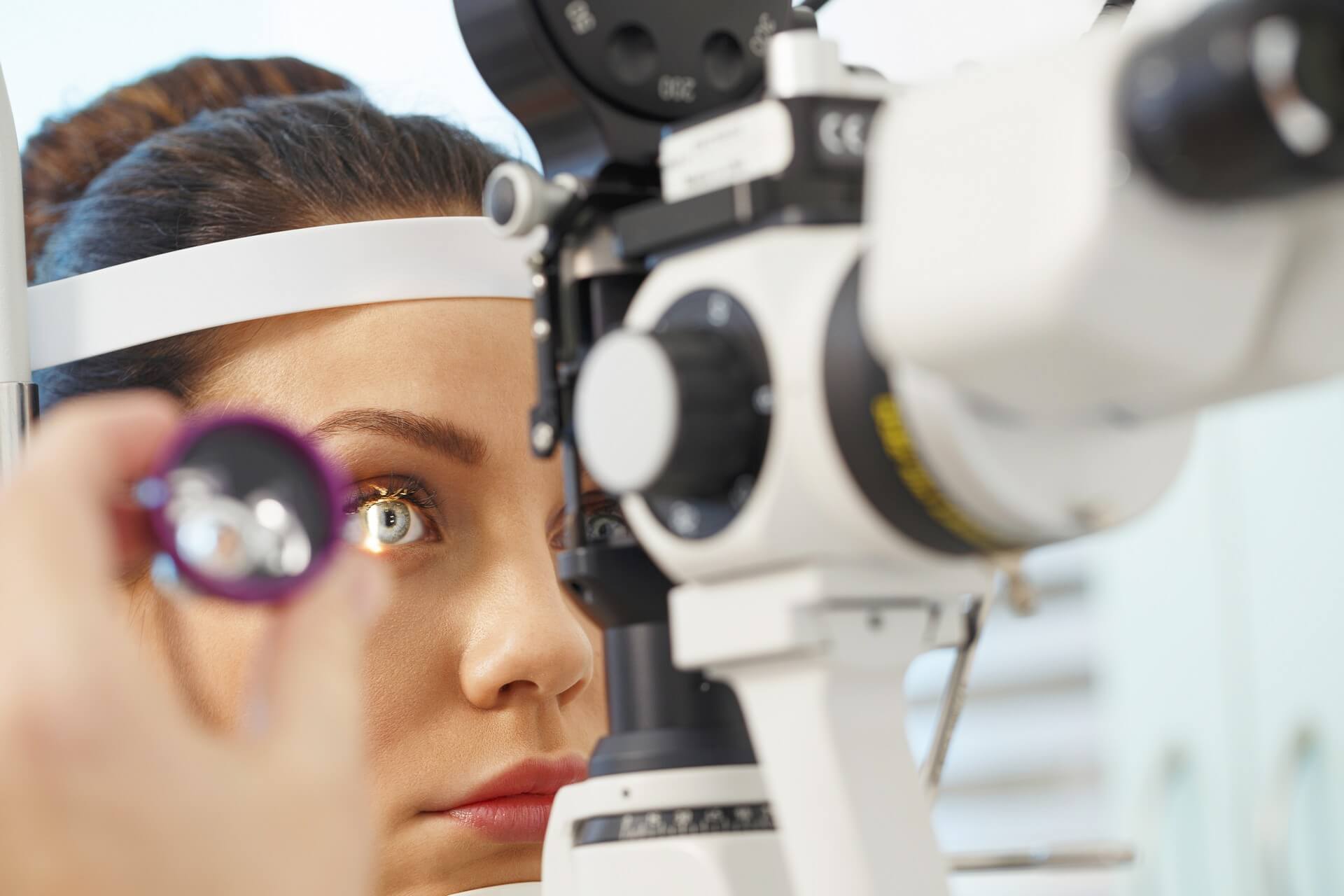
- Recurrent swelling should be consulted with an ophthalmologist to check the eye surface and eyelids, especially when accompanied by dryness or burning.
Swollen eyes are a common ailment that can significantly impact quality of life and appearance. Although often underestimated, it can be a signal of various health problems – from mundane causes related to lifestyle to more serious conditions requiring medical intervention.
What will you learn from the text below?
- Why do eyes swell? The most common causes are allergies, infections, circulatory problems, and hormonal disorders.
- Which home methods are truly effective? The most effective are cold compresses, lymphatic massage, and proper body hydration.
- When does eye swelling require a doctor’s consultation? When swelling is accompanied by fever, pain, worsening vision, or persists for more than 48 hours.
- How to prevent recurrent swelling? Key factors are: proper sleep hygiene, limiting salt in the diet, and protection from allergens.
- What are modern treatment methods? Advanced diagnostic imaging, mesotherapy, and anti-inflammatory laser therapy treatments are available.
Anatomy and Mechanism of Ocular Edema Formation
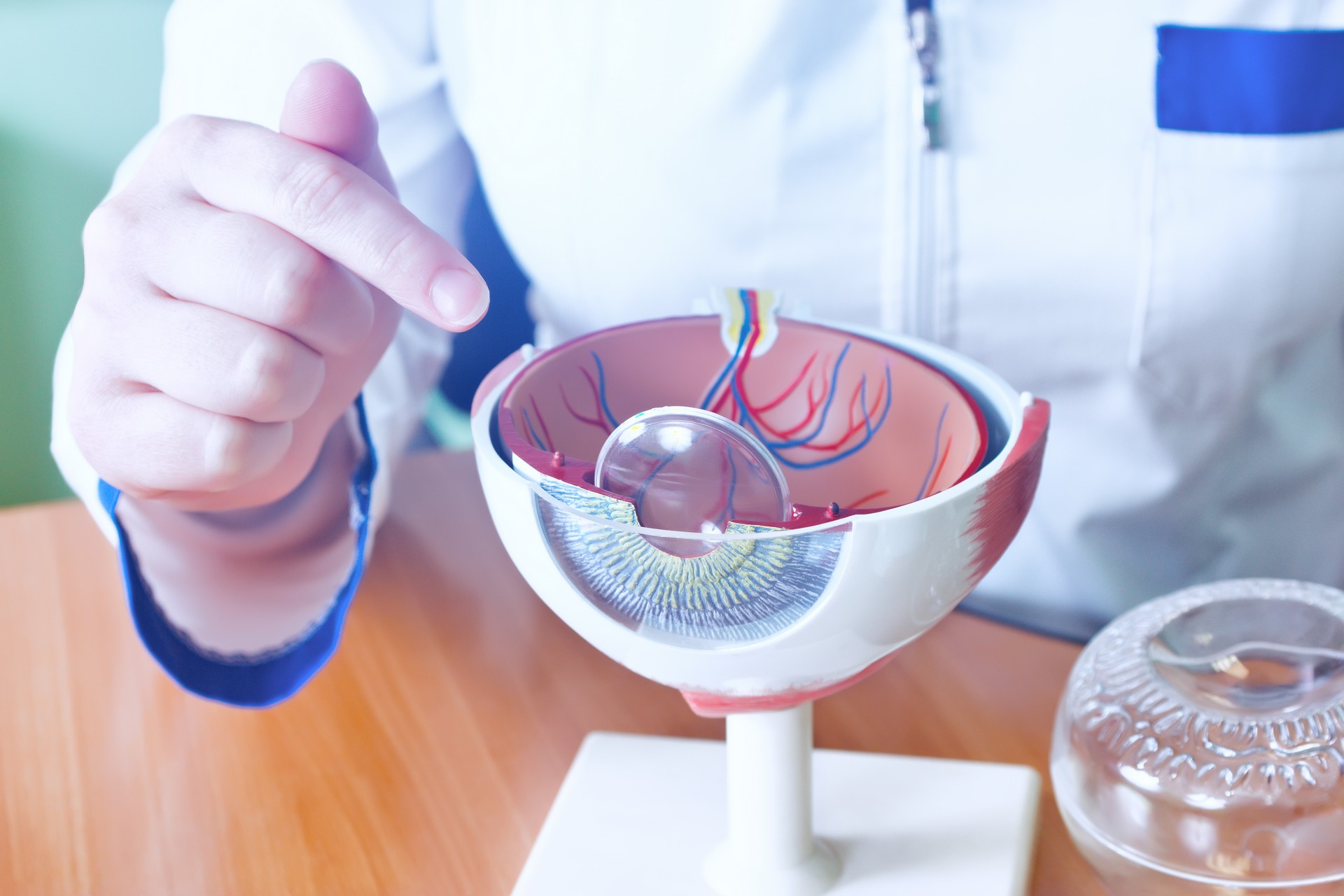
To understand the causes of eye swelling, it is worth knowing the structure of the orbital area. The skin around the eyes is the thinnest on the entire body – only 0.5 mm thick, which makes it particularly susceptible to fluid accumulation. Additionally, the subcutaneous tissue in this area is loose and contains numerous lymphatic and blood vessels.
Edema occurs when fluid from blood vessels leaks into the interstitial spaces. This mechanism can be caused by:
- Increased permeability of blood vessels
- Disorders of lymphatic drainage
- Increased hydrostatic pressure in vessels
- Decreased blood oncotic pressure (e.g., due to protein deficiency)
According to epidemiological studies, approximately 15-20% of the population experiences episodic eyelid swelling, with women being twice as susceptible as men.
Most Common Causes of Eye Swelling
1. Allergic Causes
Allergy is one of the most common causes of eyelid swelling, affecting approximately 25% of the population. Allergic reactions can be triggered by:
Airborne allergens:
- Plant pollens (especially in spring and summer)
- House dust and dust mites
- Pet dander
- Molds and fungi
- Air pollution
Contact allergens:
- Eye cosmetics (eyeshadows, mascaras, creams)
- Makeup removers
- Eye drops containing preservatives
- Chemical agents (e.g., chlorine in swimming pools)
- Jewelry (nickel in spectacle frames)
Symptoms of ocular allergy include not only swelling, but also itching, redness, tearing, and a burning sensation. An allergic reaction can occur within minutes of contact with the allergen (immediate reaction) or after several hours (delayed reaction).
2. Eye and Eyelid Infections
Various infections can lead to eyelid swelling by causing local inflammation:
Bacterial infections:
- Stye (hordeolum) – infection of the eyelid glands
- Bacterial conjunctivitis
- Cellulitis
Viral infections:
- Ocular herpes (HSV)
- Viral conjunctivitis
- Ocular shingles (HZV)
Fungal infections:
- Rarer, but can occur in immunosuppressed individuals
3. Lifestyle Factors
Modern lifestyle can significantly influence the tendency for eyelid swelling:
Improper sleep:
- Sleep deprivation (less than 6-7 hours)
- Poor sleep quality
- Incorrect sleeping position (too flat)
Diet and eating habits:
- Excessive salt intake (above 2.3g per day)
- Insufficient water intake (less than 1.5-2 liters per day)
- Excessive alcohol consumption
- Vitamin and mineral deficiencies
Stress and fatigue:
- Chronic stress increases cortisol levels, which can affect fluid retention
- Eye strain (prolonged screen time)
4. Hormonal Changes
Hormonal fluctuations can significantly influence the tendency for swelling:
In women:
- Menstrual cycle (especially premenstrual period)
- Pregnancy (especially the third trimester)
- Menopause
- Use of hormonal contraception
Hormonal disorders:
- Hypothyroidism
- Hyperthyroidism
- Cushing’s syndrome
5. Systemic Diseases
Some medical conditions can manifest as swelling around the eyes:
Kidney diseases:
- Glomerulonephritis
- Nephrotic syndrome
- Chronic kidney failure
Heart diseases:
- Heart failure
- Cardiac arrhythmias
Liver diseases:
- Liver cirrhosis
- Hepatitis
Autoimmune diseases:
- Systemic lupus erythematosus
- Dermatomyositis
- Graves’ disease
Proven Home Remedies for Swelling Relief
1. Cold Compresses – Immediate Relief
Cold compresses are one of the most effective and safest methods for immediate reduction of eyelid swelling. The mechanism of action is based on:
- Vasoconstriction (narrowing of blood vessels)
- Decreased vascular permeability
- Analgesic and anti-inflammatory effects
Method of application:
- Wrap ice cubes in a clean towel or use a gel cooling compress
- Apply to closed eyelids for 10-15 minutes
- Take 5-10 minute breaks between applications
- Repeat the procedure 2-3 times a day
Alternative cooling methods:
- Cool cucumber slices (additionally moisturizing)
- Green tea bags (antioxidant)
- Cool spoons (convenient to apply)
2. Lymphatic Massage – Activating Drainage
Gentle massage of the eye area can significantly improve lymphatic drainage and reduce swelling. The lymph drainage technique was developed by Dr. Emil Vodder and is widely used in aesthetic medicine.
Massage technique:
- Clean hands and gentle movements – key to success
- Start with gentle circular movements from the inner corner of the eye
- Massage towards the temples and down to the neck lymph nodes
- Repeat each movement 5-10 times
- The entire process takes 3-5 minutes
Massage tips:
- Use a gentle oil or eye cream
- Pressure should be very light – like a butterfly touch
- Perform massage in the morning and evening
- Avoid overly intense movements that can damage delicate skin
3. Proper Hydration and Diet
Paradoxically, proper body hydration helps reduce swelling. When the body experiences water deficiency, it activates fluid retention mechanisms.
Principles of proper hydration:
- Drink 1.5-2 liters of water daily (approximately 35ml per kg of body weight)
- Avoid heavily sweetened and excessively caffeinated beverages
- Limit alcohol consumption, which causes dehydration
- Eat water-rich foods (fruits, vegetables)
Anti-swelling diet:
- Limit salt to 2-2.3g per day
- Increase potassium intake (bananas, spinach, avocado)
- Include diuretic foods (parsley, celery, cranberries)
- Avoid highly processed foods
4. Sleeping Position
A proper sleeping position can significantly reduce morning eyelid swelling.
Optimal sleep conditions:
- Sleep with your head elevated (extra pillow or adjustable bed)
- Avoid sleeping on your stomach
- Ensure proper bedroom ventilation
- Use bedding made from natural materials
5. Natural Anti-inflammatory Agents
Some natural substances have proven anti-inflammatory and anti-edematous effects:
Aloe (Aloe vera):
- Contains polysaccharides with anti-inflammatory properties
- Apply fresh gel to closed eyelids for 15-20 minutes
- Avoid contact with the inside of the eye
Cucumber:
- Contains caffeic acid and vitamin C
- Apply chilled slices to eyelids for 10-15 minutes
- Also has moisturizing effects
Green tea:
- Rich in antioxidants (EGCG)
- Use cool, brewed tea bags
- Can be used 2-3 times a day
When does eye swelling require a doctor’s consultation?
Although most eyelid swelling is mild and temporary, some situations require immediate medical consultation:
Warning signs requiring urgent intervention:
Accompanying symptoms:
- Sudden worsening of visual acuity
- Severe eye pain not relieved by painkillers
- Fever above 38°C
- Shortness of breath or swelling of other body parts
- Nausea and vomiting
Characteristics of swelling:
- Unilateral, progressive swelling
- Hardness and redness of the skin
- Presence of rash or blisters
- Swelling lasting longer than 48 hours
- Recurrent swelling without a clear cause
High-risk groups:
- Individuals with kidney, heart, or liver diseases
- Patients taking medications (ACE inhibitors, NSAIDs)
- Individuals with a history of allergies
- Children under 3 years of age
Prevention – How to Prevent Recurrent Swelling
Lifestyle Modification
Sleep hygiene:
- Regular sleep hours (7-8 hours daily)
- Appropriate pillow height
- Ventilating the bedroom before sleep
- Avoiding prolonged use of electronic devices before sleep
Diet and supplementation:
- Balanced diet rich in antioxidants
- Limiting salt and sugar intake
- Regular meals at consistent times
- Supplementation with vitamins C, E, and omega-3 (after consulting a doctor)
Physical activity:
- Regular exercises improving circulation
- Face yoga and eye exercises
- Avoiding prolonged sitting
- Outdoor walks
Protection from Allergens
At home:
- Regular vacuuming and ventilation
- Using HEPA filters in air purifiers
- Washing bedding at temperatures above 60°C
- Avoiding carpets and unnecessary textiles
Eye area care:
- Makeup removal every evening
- Using hypoallergenic cosmetics
- Regular replacement of eye cosmetics (3-6 months)
- Protection from UV radiation
FAQ – Frequently Asked Questions
1. Are swollen eyes always a cause for concern? Not always. Occasional, mild eyelid swelling is often related to fatigue, diet, or hormonal changes and resolves spontaneously. Recurrent, unilateral, progressive swelling, or swelling accompanied by other symptoms, is concerning.
2. How long can I use cold compresses? Cold compresses can be safely used for 10-15 minutes, 2-3 times a day. It is important to take breaks between applications to avoid damaging the delicate skin around the eyes.
3. Can eye cream cause swelling? Yes, especially if it contains ingredients you are allergic to, or if it is used in excessive amounts. It is advisable to choose hypoallergenic cosmetics and test new products on a small skin area.
4. When does eye swelling require immediate medical attention? Swelling with fever, severe pain, worsening vision, shortness of breath, or when the swelling rapidly increases and is very asymmetrical, requires urgent consultation.
5. Can morning eyelid swelling be prevented? Yes, mainly by maintaining a proper sleeping position (with an elevated head), limiting salt intake in the evening, proper hydration, and regular sleep hours.
6. What tests are performed for recurrent swelling? Depending on the symptoms: ophthalmological examination, allergy tests, blood tests (kidney function, liver, thyroid hormones), sometimes imaging studies of the heart or kidneys.
7. Is eyelid swelling more common in women? Yes, statistically, women experience eyelid swelling twice as often, mainly due to hormonal fluctuations associated with the cycle, pregnancy, or menopause.
8. How much does a consultation at SwissLaser Clinic cost? The cost of a consultation depends on the scope of examinations. Detailed information on prices and refund possibilities can be obtained directly from the clinic or on the website.
9. How to quickly get rid of swollen eyes? A cold compress for 10 minutes, elevating the head, a glass of water, and limiting salt – this usually helps within an hour for swelling after a night or after crying. Allergic swelling is relieved by an antihistamine. If the eye is red, painful, or vision is worse, do not wait, but see a doctor.
10. What does swelling under the eyes indicate? Most often, it indicates water retention (salt, alcohol, lack of sleep), allergies, or tissue laxity with age, i.e., under-eye bags. Bilateral morning swelling that persists longer may signal kidney, thyroid, or heart disease – it is worth performing general examinations.
11. Can liver problems cause swollen eyes? Liver diseases rarely cause eyelid swelling; yellowing of the whites of the eyes is more typical. Swelling around the eyes is more often associated with kidneys, thyroid, and allergies. Yellowed eyes and swelling simultaneously are a reason for an urgent visit to an internist.
12. What to do for swollen eyes in a child? In a child, the most common causes are allergies, conjunctivitis, or an insect bite; cool compresses and rinsing the eye with saline help. Swelling of one eyelid with redness, fever, and pain requires an urgent visit, as it could be orbital cellulitis.
Note: The information presented is for educational purposes only and does not replace consultation with a doctor. Each case of eyelid swelling is individual and requires personal assessment by a specialist. Treatment effects may vary depending on the cause and individual patient conditions.
When to see an ophthalmologist
Eyelid swelling is usually harmless. If it is accompanied by pain, redness, or impaired vision — diagnosis is needed.
- Ophthalmologist in Krakow — ul. Kluczborska 15/U3, examination 400 PLN
- Ophthalmologist in Warsaw — ul. Kolejowa 1, near West Station
- Examinations and diagnostics — what exactly we examine and why
- Dry eye syndrome – symptoms and treatment
- Symptoms of conjunctivitis