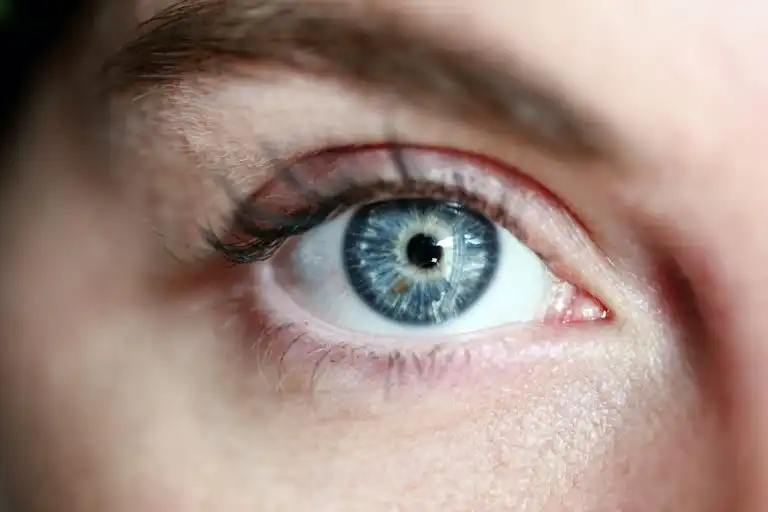
Have you ever wondered what you truly feel at the thought of the word “surgery”? For most of us, white rooms, long preparations, and weeks of slow recovery come to mind. However, in the world of modern ophthalmology, the rules of the game are completely different. Imagine walking into a clinic in the morning with a vision defect, and by the afternoon, you’re already heading home, starting to see the world in a completely new resolution. This is not magic – it’s simply the precision of one-day surgery, which we apply daily at Swisslaser in Warsaw and Krakow.
What will you learn from the text below?
- Does laser vision correction require hospitalisation? No, the procedure is performed on an outpatient basis, meaning that after a dozen minutes and a short rest, you simply return to your daily activities.
- How long does the surgery itself take? The entire procedure usually lasts from a few to a dozen minutes, so we’ll be done faster than a visit to the hairdresser.
- Does laser vision correction hurt? Thanks to modern anaesthetic drops, you will not feel any pain during the laser’s operation.
- What happens if I move my eye during the procedure? Intelligent Eye Tracker systems monitor your vision thousands of times per second, so any laser error is physically impossible.
- How quickly will I return to normal life? Every body regenerates differently, but most of our patients enjoy excellent vision within a few days.
One-Day Laser Eye Surgery – Is It Even Possible?
It sounds almost too good to be true, doesn’t it? But “one-day” in the name is not just a marketing ploy. In reality, you will spend only a few hours with us. The procedure itself is lightning-fast, and modern technology allows us to limit intervention in the eye to an absolute minimum. The key here is precision – the laser does not “cut” the eye like a traditional scalpel, but gently reshapes the cornea so that light perfectly hits where it should – on your retina.
Your Path to Eagle Vision – Examinations Are Key
However, before we set the date for your “new life,” we need to get to know each other well. Qualification is the only stage that requires some patience from you. Why? Because we perform many detailed, though painless, examinations. Often, the same doctor who will later perform the procedure conducts these. It is at this moment that we build the foundation of your safety.
Preparation for the Procedure: Safety and Sterility
Once you enter the operating room, we take care of every detail to ensure you feel confident. First, we gently disinfect the area around your eyes, and then we apply anaesthetic drops – thanks to them, you will feel nothing but a slight touch. To prevent you from worrying about blinking, we immobilise your eyelids with special, gentle speculums. Does this sound intimidating? In reality, patients describe it as a feeling of slight “stretching” that the eye quickly gets used to.
The Key Day: What Does the Surgery Look Like Step by Step?
This is the moment where technology meets years of experience. The entire procedure takes place on an outpatient basis, so you don’t even have to change into hospital pyjamas. You simply lie comfortably in the chair, and we do our work.
Local Anaesthesia – Why You Won’t Feel Anything During the Procedure?
Many people fear pain, but the truth is that laser vision correction is one of the least painful procedures known to medicine. Anaesthetic drops work almost immediately. During the laser’s operation, you may only feel a gentle breeze or a specific smell (this is a natural effect of the evaporation of a microscopic layer of the cornea). Isn’t it fascinating that such a subtle change can yield such a great effect?
Contact with the Surgeon: You Are in Good Hands
It’s not as if we leave you alone with the machine. Throughout the entire procedure, the surgeon stands right beside you, overseeing every movement.
A Word from the Expert: “At Swisslaser, we believe that your peace of mind is as important as the precision of the laser. That’s why I talk to you throughout the procedure. I explain step by step what is happening so that you are not surprised by any sound or touch. These few minutes are our shared journey to your new vision.” — Dr. Victor Derhartunian
Precision That Forgives Errors: Eye Tracker 6D and 7D Systems
I often hear the question: “What if my hand shakes or I move my eye, and the laser hits the wrong spot?” Don’t worry, we’ve anticipated this. Modern lasers have eye-tracking systems. The device monitors your eye thousands of times per second. If you make a sudden movement, the laser will simply pause for a fraction of a second. It will resume exactly where it left off as soon as your eye returns to position. This is technology straight out of aviation, making the procedure safe.
What Happens After the Procedure? An Individual Recovery Path
After everything, you will rest for a while in our post-operative room. We will give you drops, the doctor will check your eyes one last time, and… you can essentially go home. Just remember to bring a loved one to drive the car – your eyes may be light-sensitive for a few hours.
Post-Surgery Discomfort: What to Expect Depending on the Method?
Recovery is a very personal matter, and everyone goes through it at their own pace.
- With deep methods (like Femto-LASIK), discomfort usually lasts 3-4 hours – the eye may tear a bit, as if a grain of sand had gotten into it.
- With surface methods (PRK, LASEK), the eyes may be sensitive for 3-4 days. Everything depends on how quickly your body regenerates and how effectively your brain “communicates” with your new visual acuity.
FAQ – Frequently Asked Questions
1. Will my eyes be covered after the procedure? No! You will see immediately after the procedure, although the image may initially be slightly “blurry.” For the night, we will only provide transparent shields to prevent you from accidentally rubbing your eye in your sleep.
2. Is the effect of the procedure permanent? Yes, the laser permanently changes the shape of the cornea. However, remember that your eyes naturally age over time (presbyopia appears after age 40), but this is a completely different process that does not reverse the effects of laser correction.
3. Can both eyes be operated on at once? Of course! In most cases, we correct both eyes during a single visit. This is the most convenient solution, saving your time and allowing you to return to normalcy faster.
4. When can I return to the gym? You can take a calm walk immediately. You can return to light training after about a week, but it’s better to postpone contact sports or swimming for a month to allow the cornea time to heal properly.
5. What if I have a very high vision defect? Most defects (myopia, hyperopia, astigmatism) can be effectively removed with a laser. However, if your defect is exceptionally high, we will offer you an alternative, such as the implantation of a phakic lens.