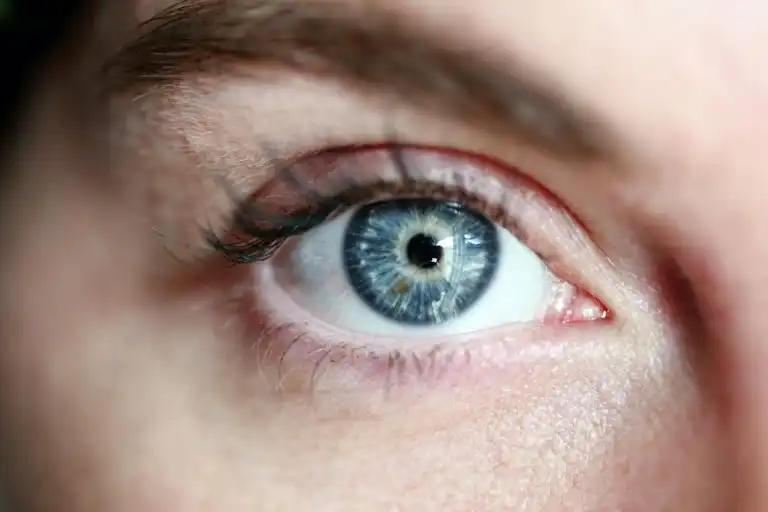
Are you considering laser correction? Do you immediately envision a large sum and feel a shiver of fear, right? That’s normal! Many Poles believe that spending money on health and comfort is simply “a waste”, not a wise investment. But is that truly the case? It’s high time you changed your mindset! At Swisslaser – whether in Warsaw or Krakow – we show that laser correction is one of the best investments you can make in yourself. Think about it: you pay once, and you gain a 100% return in the form of freedom, safety, and a complete change in the quality of your daily life. Let it cease to be a “hole in your budget” and become the foundation of your future freedom.
What will you learn from the text below?
- Why is eye treatment truly an investment? You spend money once, and then for years you save on glasses, contact lenses, and solutions, while gaining incredible comfort in life.
- Does this fear of complications make sense? No; the risk is minimal, below 1%, and interestingly, by wearing contact lenses daily, you risk more.
- How does this laser actually work on my eye? Our modern lasers (excimer and femtosecond) do not “burn” tissue! They precisely vaporize it by breaking molecular bonds – this is non-thermal technology.
- How long does the surgery itself take, and when will I finally function normally? The procedure is brief, a few to a dozen minutes, and nothing hurts! After the most popular method, FemtoLASIK, you can return to work after just one day.
- What about my eyes in ten or twenty years? Even if you correct your vision now, in the future you can easily undergo cataract treatment or presbyopia treatment. Laser correction does not block anything for you.
Laser Vision Correction: A High-Return Investment
We simply need to change our perspective. It’s time to start treating money spent on health and comfort as the best capital investment.
Is Treatment Always a Loss? A Change in Perspective
- Why Laser Correction is a Long-Term Investment: Just think how much you spend over the years on frames, contact lenses, solutions, examinations! These costs drag on and on. Laser correction is the ultimate cost-cutting measure – you pay once and have peace of mind for years.
- Rare Perception of Health as an Investment in Poland: Many of us still think it’s a waste. But is the ability to freely play sports or swim a waste? Definitely not!
Decision Barriers: Costs and Fear
We know what’s holding you back. Two main demons: money and fear of complications. We need to tame them.
- Two Main Reasons for Delaying the Decision (Costs and Fear of Complications): Yes, prices can be high, and the thought of surgery can send shivers down your spine. But do you know the facts behind these prices?
- High Price vs. Quality of Equipment and Surgeons: Of course, you have to spend more. But think: do you want the most advanced organ in your body to be operated on with subpar equipment? You are paying for modern technology and an excellent, experienced surgeon. And if someone tempts you with a suspiciously low price? It’s better to be vigilant! This often indicates outdated equipment.
Safety and Technology: Dispelling Myths
Stories of risk and pain are myths. See how safe modern technology is!
Less Risk Than You Think
- Statistics: Complication Risk Below 1%: What is the chance of serious complications? Below one percent! This is truly a minimal risk.
- Laser Correction vs. Wearing Contact Lenses (Higher Risk): Did you know that daily contact lens wear (with the risk of infections, corneal damage, and inflammation) is statistically higher than a single laser procedure? We offer you peace of mind.
Expert Statement: “If I had to erase one misconception, it would be this overwhelming fear of complications. Technology has advanced so much that laser correction today is one of the safest procedures. I much more often see problems and infections in people who have worn contact lenses for years than in post-procedure patients. The numbers speak for themselves.” – Dr. Victor Derhartunian.
Laser is Not Burning: Non-Thermal Technology
- Use of Excimer and Femtosecond Lasers: Stop with the terrifying visions. We use non-thermal lasers!
- Process of Tissue Ablation (Vaporization) Through Breaking Molecular Bonds: How does it work? The laser delivers energy that breaks molecular bonds in the cornea. As a result, the tissue precisely vaporizes (ablates). There is no burning or heat involved.
Speed, Comfort, and Future Prospects
How much time will you dedicate to it? Not much, and you gain peace of mind for decades!
Short Duration and Painlessness
- Surgery Duration: From a Few to a Dozen Minutes: Quick, isn’t it? It’s a moment.
- No Pain During the Procedure (Only Brief Discomfort): Thanks to anesthetic eye drops, you won’t feel anything during. Afterwards? There might be brief discomfort.
- Differences in Discomfort Duration (FemtoLASIK/SMILE vs. PRK/LASEK): After the latest methods (FemtoLASIK, SMILE), unpleasant sensations disappear after just 3-4 hours. With older methods (PRK/LASEK), you should expect discomfort for up to 3-4 days.
Certainty and Guarantee of Results
- Possibility of Re-Surgical Intervention (Enhancement): What if something goes wrong? Don’t panic! With many methods, we can perform a safe corrective intervention. No one will leave you with an imperfection!
- Correction in Youth and Treatment of Presbyopia/Cataracts in the Future: This is very important: laser vision correction does not block your path to treating other diseases in the future. You will be able to undergo cataract or presbyopia surgery without hindrance.
Concrete Benefits: The True Rate of Return
Instead of thinking about costs, think about what you gain. This is the true value of this investment!
Immediate Return to Life
- Recovery after FemtoLASIK: Return to Work in Just 24 Hours: You have surgery tomorrow, and the day after… you can already work normally! With the latest methods, the return to daily life is instantaneous.
- Financing Options: Possibility of Installment Payments: If a one-time expense is too large, remember that many clinics (including Swisslaser) offer convenient installment payments. The investment is within reach!
Freedom and New Opportunities
- No More Glasses and Contact Lenses: This is obvious, but how life-changing!
- Ability to Play Sports and Drive After Dark: Freedom at the pool, on the slopes, on a motorcycle… and no more “halo” effect after dark, which often accompanies people with vision defects.
- Opening Doors to the Uniformed Services: For many people, this is a necessary condition to fulfill professional dreams.
FAQ: Frequently Asked Questions
How long does recovery actually take after the procedure?
It depends on the method. After deep methods (FemtoLASIK/SMILE), you will return to office work after 24-48 hours. After surface methods (PRK/LASEK), it’s longer, about 3-4 days, but full vision stabilization takes several weeks.
Can the vision defect return after laser correction?
If the doctor qualified you for the procedure, it means your vision defect is stable. A return of the defect happens very rarely. If it does, it’s a minimal enhancement that we can easily correct.
Can I pay for the procedure in installments?
Yes, of course. It happens that the cost is significant, which is why we offer convenient installment payments to make the investment in your eyes as manageable as possible.
Can I only have one eye surgery in my lifetime?
Absolutely not! Even if you have laser correction for a vision defect at age 30, in the future you can easily treat cataracts or presbyopia. Laser correction does not close the door to other procedures.