We know more and more about the Wuhan coronavirus, although still not enough to accurately predict the course of the pandemic. We know for sure that this pathogen has taken a liking to our respiratory tract and can cause severe pneumonia with complications, but it can also persist in our body without doing any damage (asymptomatic course), but only posing a threat to those we come into contact with – because we can infect them.
Symptoms such as fever, cough and shortness of breath can appear from 2 to 14 days after contact with an infected person, but also after touching an infected surface.
When an infected person speaks, sneezes or coughs, an aerosol is formed in the air they exhale, which includes virus particles. By inhaling them through the mouth or nose, we become infected.
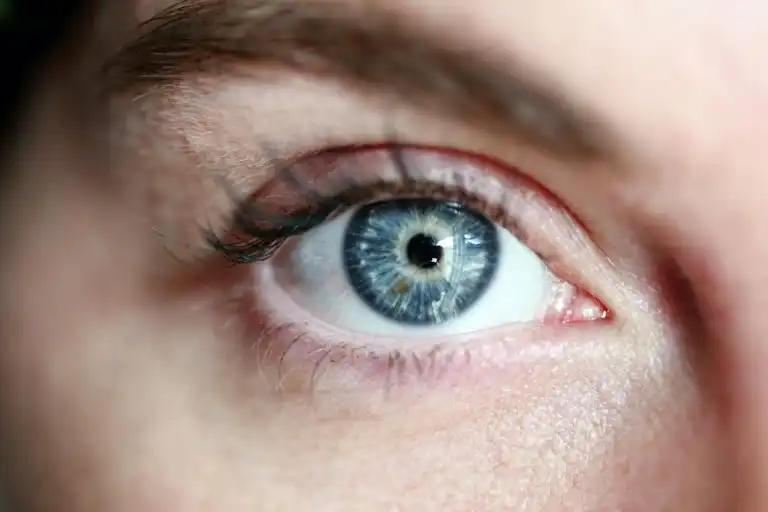
It seems reasonable to ask whether coronavirus can enter our body through the mucous membrane of the eye.
Coronavirus can cause conjunctivitis – but occasionally
As doctors point out, there is a risk that coronavirus can also spread through the tear fluid, and one of the symptoms of the infection can be conjunctivitis, manifested, among other things, by red, burning and watery eyes. Conjunctivitis develops in about 1% to 3% of people with coronavirus.
Can I use an ophthalmologist during a coronavirus pandemic?
Because of the way the coronavirus spreads, it would be best if you were not forced to use your eye doctor during a pandemic. Limiting contact between doctors and patients is crucial to limiting the spread of this highly contagious pathogen. So make it a rule that you only use your ophthalmologist for emergencies that require immediate attention.
First, because even if both you and your doctor don’t have any symptoms of Covid-19 disease, it doesn’t mean you don’t carry the virus – you could unknowingly infect each other.
Secondly, the epidemic situation in the country requires that all protective masks, gloves and other direct protective equipment go to hospitals. Your ophthalmologist either doesn’t have access to them or, very likely, has given them away to his colleagues working at the hospital. Appreciate it!
All eye surgeries and procedures that are not emergencies are deferred. Remember, however, that there are situations in which you absolutely must contact your ophthalmologist. These include:
- sudden loss of sight
- A foreign body in the eye that cannot be removed other than on an outpatient basis
- changes in the visual field, such as fuzzy, wavy, or blank spots
- Eye pain, headache, red eyes, nausea and vomiting
- Macular degeneration or diabetic retinopathy and the need to receive regular injections into the eye
Procedures for your ophthalmologist during a coronavirus pandemic
Once you manage to get an appointment with your ophthalmologist, be aware that you will be treated differently than usual. You can expect that:
- you will be asked to wait outside or in your car instead of in the normal waiting room – this will be safer for both you and the staff
- enter the office without an accompanying person
- your ophthalmologist will use all personal protective equipment during the examination: mask, visor, gloves, etc.
- after the examination, you will be asked to move away to a suitable distance for further conversation
Also be aware that refusing to meet with a doctor face-to-face does not mean that he or she will refuse to help you altogether. You can get online advice and information on what to do next.
Ophthalmologists, as well as doctors in other specialties, recommend that you don’t make an appointment if you have any symptoms of an upper or lower respiratory tract infection, especially an elevated temperature.
If you must cough or sneeze during the examination, step back from all ophthalmic equipment. Hide your face in the bend of your arm or cover your face with a handkerchief. Wash your hands immediately with soap and water.
How do you keep your eyes safe during a pandemic?
The coming weeks, and perhaps even months, will be a difficult time for both doctors and patients. Ophthalmologists recommend that during the pandemic, contact lens wear should be limited and patients should return to wearing glasses. Replacing lenses with glasses can reduce the risk of irritation, and thus motivate people to touch their faces less often. It is recognized that eyeglasses provide an additional physical barrier against coronavirus, although they still do not provide 100% safety – the virus can still reach the eyes from the exposed sides, tops and bottoms of the glasses.
If you use any ophthalmic drugs, ask your doctor to write a prescription for enough medication to last you at least a month – longer if possible. Be sure to use e-prescription[https://pacjent.gov.pl/internetowe-konto-pacjenta/erecepta]– you won’t even have to leave home, you’ll get everything done over the phone or remotely.
When applying contact lenses, moisturizing drops or any eye medication to yourself, remember to wash your hands perfectly. If you can’t use soap and running warm water, use a hand sanitizer with at least 60% alcohol.