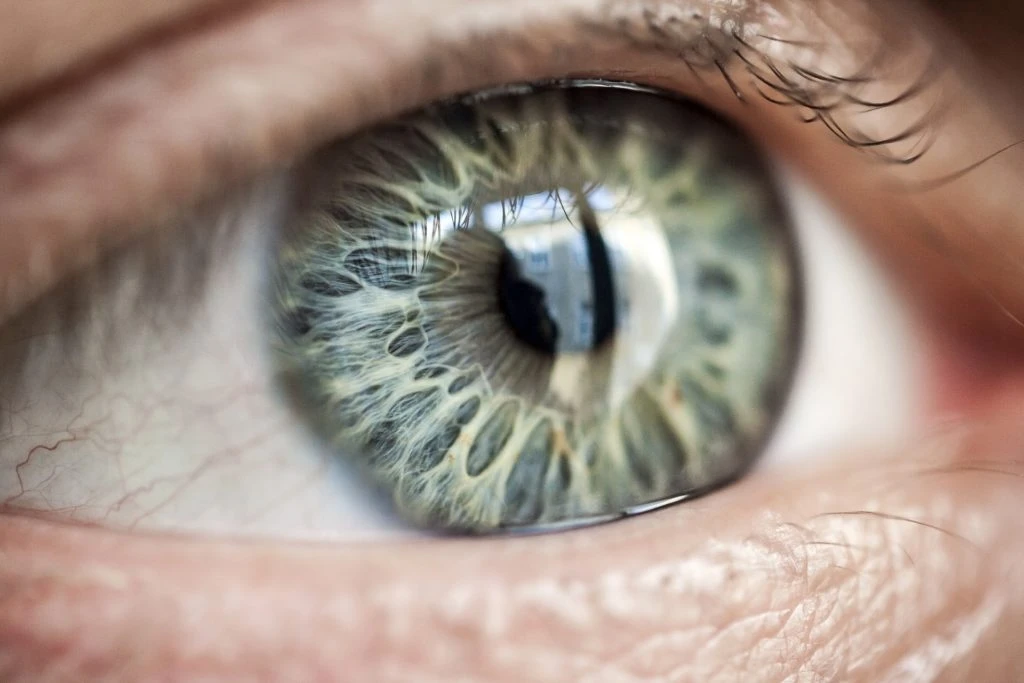
We do not (yet!) know exactly all the negative effects of smog on our bodies, but one thing we do know for sure – they are far more complex than we might have thought. Particulate matter and other harmful substances in the air not only affect the condition of our respiratory and cardiovascular systems, but also contribute to cancer and adversely affect the eyes. They exacerbate skin problems and symptoms of autoimmune (autoimmune) diseases.
When we hear that the smog is so great that it would be necessary to stay indoors that day and to minimize staying in… fresh (!!!) air, the composition of this air may be as follows:
- sulfur dioxide (SO2)
- nitrogen dioxide (NO2)
- carbon monoxide (CO)
- benzene (C6H6)
- ozone (O3)
- PM10 fine dust (up to 10µm in diameter)
- PM2.5 fine dust (up to 2.5 µm in diameter)
- Heavy metals: lead (Pb), arsenic (As), nickel (Ni), cadmium (Cd) determined in PM10 dust
- benzo(a)pyrene determined in PM10 dust
Nothing to do but breathe a full breath, right?
Paradoxically, the state of the air in our homes is not much better than the state of the air outside. Unless we have a purifier. If not – no matter where we are, we will feel the adverse effects of smog. Our eyes will certainly feel it as well.
During times of high air pollution, we often have the feeling that our head is “out of order.” The sensation of dryness extends to all mucous membranes: the throat, mouth and eyes are dehydrated and irritated. It scratches in the throat, aphthas form on the tongue, the eyes burn, pinch and tear. A person feels like a solid infection is coming… If we have sensitive eyes, hypersensitivity to light can occur. Working at the computer grows into a feat. Blood vessels burst due to constant rubbing of the eyes and we begin to look like zombies.
Contact lens wearers are under the impression at first sight that their eyes are in no danger. Indeed, modern highly hydrated soft contact lenses can initially act like an occlusive wrap and protect the eyes from debris. But they pay a high price: they deteriorate faster than they should. It’s hard to last even a day in one-day ones; two-week ones make you feel discomfort after a few days. This is because impurities get in and under the lens, and “stick” in its structure. The gel lens ceases to perform its occlusive function and begins to be a source of irritation itself.
An eye exposed to smog needs constant moisturization. The best solution is to carry sodium hyaluronate drops with you – yes, the same ones that dry eye syndrome sufferers use. They can be instilled into the conjunctival sac even when wearing contact lenses. Not only do they moisturize, but they also help flush out impurities. In the same way, we can use saline ad hoc, but – beware – it has no moisturizing properties, but will only help flush out dust.
Are glasses a physical barrier against smog? Not 100%. Neither corrective nor sunglasses can stop polluted air from reaching the eyes, but they can stop the dust. The latter will certainly protect the eyes from hypersensitivity to light – smog and sun are really a killer duo.
If the effect of smog is conjunctivitis, we can save ourselves with drops for allergy sufferers – yes, there are some on the market that can be squirted into the eyes while wearing contact lenses. But if the inflammation intensifies, a purulent discharge appears, it will be necessary to go to the doctor. We may need an antibiotic ointment or drops. The word smog was first used in London in the early 20th century [“smoke” + “fog”]. It meant a combination of smoke and sulfur dioxide resulting from the burning of coal in domestic stoves and factories. Today, car, rail and sea transport also contribute to smog. There is also photochemical smog resulting from chemical reactions from other compounds. So we have a right to be concerned…