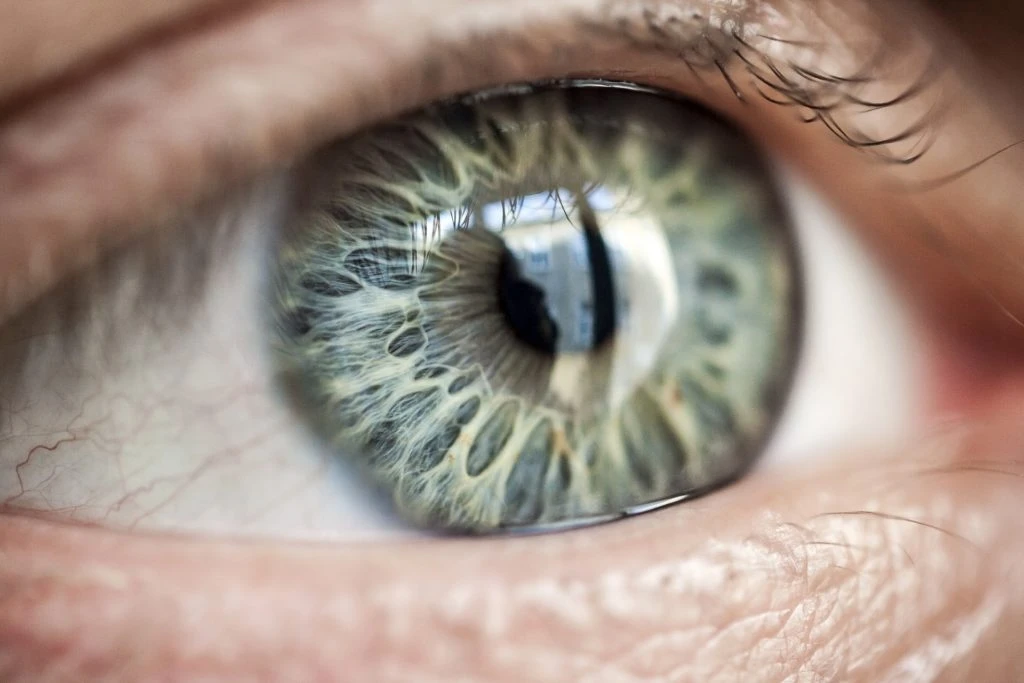
Do you know that feeling? You want to read a message on your phone, and suddenly… your arm becomes “too short”. Or you try to read a menu in a dimly lit restaurant and the letters start dancing before your eyes. This is no coincidence. As we enter our fourth, and especially fifth decade of life, many of us notice that our eyes begin to demand more attention. This is a natural process that affects each of us. Fortunately, we don’t have to accept it! The right knowledge and simple habits can help you enjoy sharp vision for many years to come.
What will you learn from the text below?
- A question we often ask ourselves after the age of 35: why is my eyesight deteriorating? You will understand that this is a natural course of events, related to the aging of the body.
- What is presbyopia and how do I know if it affects me? We explain symptoms such as difficulty reading small print or eye fatigue.
- Why should you visit an ophthalmologist regularly, even if you don’t have vision problems? We will convince you that this is key to early detection of more serious diseases, such as cataracts.
- Does what you eat and how you work affect your eyes? You will discover how lifestyle, diet, and ergonomics influence the condition of your eyesight.
- What can you do to immediately support your eyes? We provide simple, practical tips that you can implement right away.
Eye care after 40
Natural changes in vision function
Think of your eyes as muscles – they lose elasticity with age. After the age of 35, the eye lens becomes less flexible, making it difficult to adjust to different distances. That’s why you suddenly need more light to read and have to move the book further and further away. Instead of getting frustrated, treat this as a sign that it’s time for a new, conscious routine of eye care.
Presbyopia (age-related farsightedness) – symptoms and risks
Who among us hasn’t experienced suddenly finding a restaurant menu written in too small a font? This is a classic sign of presbyopia, or age-related farsightedness. In addition to difficulty reading up close, you may experience headaches or even double vision. This is not just fatigue. Do not ignore these signals! Lack of proper correction can make everyday activities, such as driving at night, less safe. Our expert, Dr. Victor Derhartunian, has a clear message: “Our eyes are our treasure. Uncorrected presbyopia is not only discomfort but also a real threat. Early intervention is key to maintaining quality of life.”
Regular check-ups with an ophthalmologist
After forty, your eyes need regular check-ups, just like your car. Even if you feel your vision is perfect, an annual visit to the ophthalmologist can save you from many problems. This is an opportunity to detect diseases at a very early stage, before they can cause serious damage.
Cataracts – early diagnosis and treatment
Heard of cataracts? It’s a clouding of the eye’s lens that progresses with age. Although we often associate it with older people, early changes can appear after forty. Early detection of cataracts and starting monitoring helps avoid a situation where you suddenly lose your sight. It’s simple: the sooner you act, the better results you will achieve.
Factors affecting eye health
Workstation ergonomics
Do you spend eight hours a day in front of a screen? So do your eyes! Take care of them, just as you take care of your spine. Proper posture, a well-positioned monitor, and adequate lighting are essential. Remember to take breaks to rest your eyes. Just look into the distance for 20 seconds every 20 minutes. Simple, right? And moisturizing eye drops can work wonders.
Balanced diet for healthy vision
“You are what you eat” – this old saying is especially true for eye health. Your diet can be a true ally. Antioxidants, especially those found in fruits and vegetables, are a shield that protects your eyes from damage.
The role of vitamins and nutrients
Want to know what specifically to add to your menu? Focus on vitamin A (for better night vision), vitamin C (strengthens blood vessels), vitamin E (helps absorb other nutrients), and lutein and zeaxanthin, which protect the delicate macula from degeneration. Remember, this is an investment in your future vision!
Case study
The story of Ms. Anna, 45 years old
Ms. Anna is a dynamic, full of life woman. One day, she noticed that she was having increasing difficulty reading her shopping list in the store. She thought: “It’s probably due to fatigue.” But when regular headaches joined in, she decided to find out what was happening.
“I was surprised when I heard at the Swisslaser Clinic that my problems were the beginnings of presbyopia. Thanks to a thorough examination, I also learned that I had an early stage of cataracts, which I had no idea about. This was a breakthrough moment for me. Quick diagnosis and treatment meant I could read freely again. I understood that regular check-ups are not a whim, but the simplest way to peace of mind about my eyesight. I feel like I’m back in the game!”
Ms. Anna is today a living example that a proactive approach to eye health is the best way to maintain comfort and safety.
FAQ – Frequently Asked Questions
1. Can presbyopia be cured? The aging of the lens cannot be reversed, but we can effectively correct this problem with progressive glasses, contact lenses, or, in some cases, surgical procedures.
2. How often should I have my eyes checked after forty? Preferably once a year! This is the optimal frequency that allows for early detection of potential problems.
3. Can diet actually help in the fight against cataracts? A diet rich in vitamins and antioxidants supports overall eye health, but it does not cure cataracts. Remember that professional ophthalmological care is crucial.
4. What are the first symptoms of macular degeneration? If you notice that straight lines appear wavy or you have difficulty seeing details, this may be a signal that you need to consult a doctor as soon as possible.
5. Can eye exercises help me with presbyopia? Exercises can relieve eye fatigue, but they will not reverse the natural aging process of the lens. It’s more of a support than a solution to the problem.