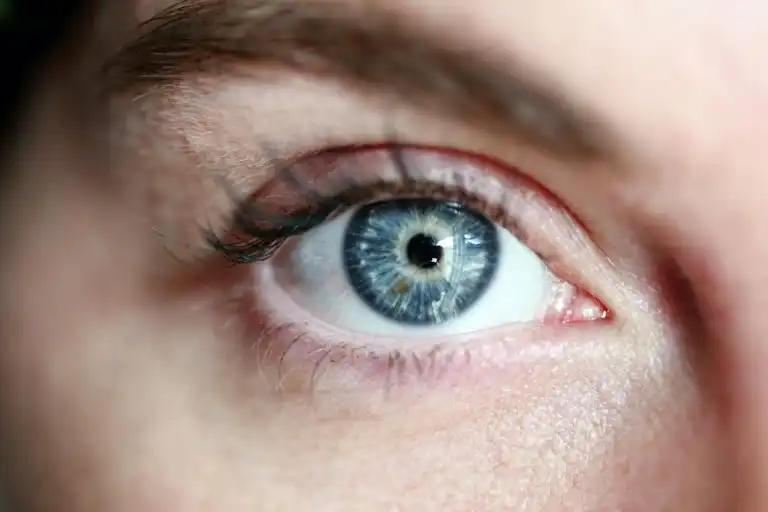
During laser vision correction the patient is not subjected to general anesthesia. The procedure only requires local anesthesia in an outpatient setting. This is good news for patients whose eyes qualify for laser intervention, but the body should not be burdened with anesthesia – during laser vision correction, the administration of anesthesia would put a greater burden on the body than the operation itself!
Laser eye surgery is safe, painless and lasts a short time
Laser eye surgery is safe, painless and extremely fast, and being fully conscious during the procedure does not expose the patient to any risk. The patient does not have to be anesthetized, nor does he or she have to lie still. Modern laser devices have an eye tracking function (such as the Eye Tracker 6D or 7D system), so they are very precise, and the patient does not have to worry that a slight movement of his eye will make the procedure fail. Blinking is impossible because a dilation is inserted outside the eye, preventing movement of the upper eyelids.
The burden of anesthesia on the body and the possible complications afterwards (headaches, nausea, vomiting, drowsiness and general discomfort – especially in people with epilepsy, sleep apnea, hypertension, obesity, diabetes and smokers) is the last thing patients would expect when deciding to undergo a few or several minutes of surgery performed with unimaginable precision.
It is worth noting that laser intervention within the eye is not painful. So there is no point in putting the patient to sleep just because he demands it, panicking at the thought of surgery.
Talk to your doctor – it takes away the stress!
From the patient’s point of view, it is important that any medical procedures he undergoes as part of the diagnosis and laser vision correction are performed by a highly trained and experienced refractive surgeon. It is equally important that this surgeon is simply empathetic and able to allay any concerns the patient may have. If the patient feels perfectly informed and taken care of at every stage of the preoperative diagnosis, the operation itself should no longer arouse strong negative emotions.
Summary: During laser vision correction, local anesthesia is sufficient. Anesthetic drops are administered into the eye and waiting for the preparation to take effect.
None of the laser vision correction methods are associated with painful sensations AFTER the operation. Depending on the method chosen, the patient may experience more or less, but short-term discomfort.
Since laser surgery is minimally invasive, there are no wounds, no stitches, no dressings after the procedure – no visible signs of surgical intervention on the eyeball!
Thanks to the fact that the patient is not under anesthesia, he can be in constant contact with the doctor, who explains everything he is doing in real time; he can follow the doctor’s instructions and… just talk to him, which has a significant effect on relieving stress.
Various minor discomforts may occur for a few days after the procedure, which you can read about here.